In the Tampere tramway project, TKE developed a smart diagnostic system for next-generation trams that enables monitoring, data collection, and analytics for tram operations
The project combined CAN technology, Ethernet communication, Linux-based systems, and IoT data collection. Together, these technologies created a scalable diagnostic platform for the new ForCity Smart Artic trams operating in Tampere.
Partnering with TKE for a new kind of diagnostic system
Transtech Oy, part of the Škoda Group, needed a completely new diagnostic system for its tram servicing operations, one that could generate IoT data and improve maintenance efficiency.
Previous systems relied on multiple separate devices that stored historical data in isolated databases. Combining and processing this data required extensive manual work and often created uncertainty in the final results. The system also used fixed data definitions, which limited flexibility. Transtech needed a faster and more agile solution for collecting, adapting, and processing diagnostic data.
Although diagnostic systems are widely used in various industries, tramway traffic is a different kind of environment that uses automation systems based on programmable logic controllers (PLCs).
To develop the new diagnostic platform, Transtech selected TK Engineering, a trusted partner from earlier troubleshooting projects, including the Helsinki tramway project in 2016. Transtech specifically looked for a partner that could proactively propose new ideas and practical solutions.
TK Engineering stood out through its strong technical expertise and extensive hands-on experience. The company’s specialists understand both CAN and Ethernet environments in depth, including low-level signal data, and combine theoretical knowledge with practical engineering expertise.
Smart trams Diagnostic data travels along the Ethernet
TK Engineering developed the new diagnostic system using Ethernet-based data transfer to enable fast and reliable communication between tram systems. The team built the software with Python, allowing the solution to run on different hardware platforms with only minimal modifications.
To improve flexibility, the developers separated all data definitions into dedicated parameter files. This structure makes it easy to modify the scope of collected diagnostic data without changing the core software. The modular architecture also allows the system to collect signals and events from multiple sources, combine them into a unified format, and store them efficiently in a centralized database.
The system runs on the Linux operating system regardless of the hardware platform, ensuring stability, portability, and long-term maintainability.
Because the diagnostic platform operates independently from the tram control system, Ethernet-based data collection does not interfere with critical tram steering or operational functions. The software can also be transferred easily between environments whenever needed.
Tampere Smart Tram project
In 2016, the City of Tampere launched a modern tramway system and ordered ForCity Smart Artic trams from Transtech Oy, part of the Škoda Group. The tram system was designed to support modern smart city infrastructure and sustainable urban mobility.
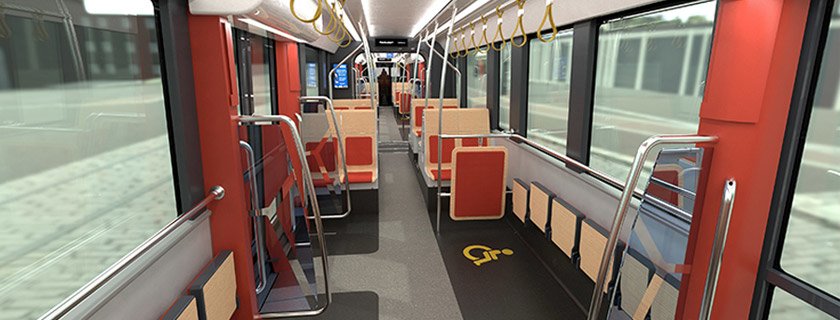
The city ordered 19 modern ForCity Smart Artic trams from Transtech Oy (part of Škoda Group). The contract also includes a three-stage option for the delivery of a maximum of 46 additional trams. ForCity Smart Artic will have a 1,435 mm track gauge. The three-section tram will be bi-directional and able to accommodate a total of 264 passengers. Operation in the demanding climate conditions is ensured with a durable bogie and wheelset structure.
Analyses and results
Testing began in autumn 2019, when the team started collecting signal data from supplier devices within the SmartLab environment. The project gathers operational and diagnostic data over a one-year period to evaluate system performance, data quality, and overall functionality in real-world conditions.